
Notizie dal settore
-

Come gli additivi migliorano la lavorabilità e le proprietà superficiali dei composti termoplastici (con suggerimenti per la formulazione)
I composti termoplastici richiedono uno specifico equilibrio prestazionale: devono essere efficienti da estrudere, stampare e trasformare, soddisfacendo al contempo rigorose specifiche di utilizzo finale in termini di estetica visiva, feedback tattile, comportamento tribologico e funzionalità superficiale. Il raggiungimento di questo equilibrio dipende dai polimeri...Per saperne di più -

Selezione di soluzioni di masterbatch siliconici per mescole di cavi in PE, tecnopolimeri e applicazioni in TPU.
Affrontare le sfide relative alla lavorazione e alle prestazioni superficiali nei sistemi termoplastici I produttori di termoplastici continuano ad affrontare richieste sempre maggiori di maggiore efficienza produttiva, qualità costante del prodotto e maggiore durata. In applicazioni come la mescola per cavi...Per saperne di più -

Come migliorare la resistenza all'abrasione delle suole in EVA con masterbatch di silicone antiabrasivo
Una soluzione mirata per la resistenza all'usura delle mescole EVA per calzature. L'EVA è ampiamente utilizzato nelle applicazioni calzaturiere grazie alla sua leggerezza, flessibilità, ammortizzazione e facilità di lavorazione. Tuttavia, migliorare la resistenza all'abrasione delle suole in EVA rimane una sfida fondamentale, soprattutto per le applicazioni che richiedono...Per saperne di più -

Requisiti PPWR PFAS 2026: Sostenere la transizione verso soluzioni di estrusione di film prive di PFAS
1. Scadenza PPWR 2026 per i PFAS: Preparazione di film per imballaggi alimentari estrusi con soluzioni di coadiuvanti di processo polimerico senza PFAS L'industria degli imballaggi sta attraversando una transizione significativa, poiché i requisiti di sostenibilità e le aspettative normative continuano ad evolversi. Nell'ambito del Regolamento europeo sugli imballaggi e i confezionamenti...Per saperne di più -

Masterbatch di silicone vs. fluido di silicone e agenti cerosi: una guida tecnica per la lavorazione dei termoplastici e le prestazioni superficiali
Introduzione: Scegliere la giusta tecnologia additiva per i termoplastici moderni I produttori di termoplastici oggi si trovano ad affrontare sfide sempre maggiori per ottenere una lavorazione stabile, una qualità del prodotto costante e prestazioni superficiali migliorate. Velocità di estrusione più elevate, formulazioni polimeriche complesse, aumento...Per saperne di più -

Sostituzione dei PPA fluorurati: una guida alle soluzioni di coadiuvanti di processo per polimeri privi di PFAS
Come la tecnologia SILIMER senza fluoro aiuta i produttori di polimeri a migliorare le prestazioni di estrusione e a prepararsi ai futuri requisiti di sostenibilità Sintesi esecutiva Le industrie di estrusione di polimeri stanno affrontando una transizione importante, poiché i produttori di tutto il mondo stanno valutando alternative ai tradizionali polimeri fluorurati...Per saperne di più -

Coadiuvante di processo polimerico privo di PFAS per pellicole per imballaggi alimentari: un'alternativa sostenibile ai PPA fluorurati
Restrizioni PPWR sui PFAS negli imballaggi alimentari: perché i produttori di film necessitano di coadiuvanti per la lavorazione dei polimeri senza PFAS. Come la serie SILIKE SILIMER consente un'estrusione di film sostenibile ed efficiente senza PPA fluorurati. Introduzione: PPWR accelera la transizione verso materiali per imballaggi alimentari senza PFAS...Per saperne di più -

Masterbatch di silicone o olio di silicone: quale additivo polimerico è migliore?
Masterbatch di silicone vs olio di silicone vs cera vs agenti scivolanti: la scelta della soluzione di additivi polimerici più adatta per la lavorazione dei termoplastici e le prestazioni superficiali Introduzione: la lavorazione avanzata dei polimeri richiede più della lubrificazione convenzionale La moderna produzione di termoplastici sta entrando in una nuova era...Per saperne di più -

Perché si verifica l'accumulo di colorante durante l'estrusione dei polimeri? Cause, meccanismi e soluzioni con additivi al silicone.
L'accumulo di materiale sulla filiera rimane una delle principali sfide nell'estrusione dei polimeri. Che si tratti di produrre mescole per fili e cavi, film soffiati, tubi, profilati o prodotti in plastica tecnica, i trasformatori di polimeri possono riscontrare depositi di materiale...Per saperne di più -

Difetti nella coestrusione multistrato: cause, soluzioni e tecnologia di coadiuvanti di processo senza PFAS
Come la lavorazione dei polimeri senza PFAS contribuisce a migliorare l'equilibrio del flusso degli strati, la stabilità della filiera e la qualità del film nell'estrusione multistrato Introduzione La tecnologia di coestrusione multistrato consente ai produttori di combinare polimeri diversi in film ad alte prestazioni con proprietà di barriera migliorate, resistenza meccanica...Per saperne di più -

Come migliorare la qualità dell'estrusione di tubi in PP-R: soluzioni per fratture da fusione, difetti superficiali e instabilità del processo
Introduzione: Superare le sfide di processo nell'estrusione di tubi in PP-R I tubi in copolimero casuale di polipropilene (tubi in PP-R) sono diventati una delle soluzioni di tubazioni in plastica più utilizzate per sistemi di acqua calda e fredda, sistemi di riscaldamento e applicazioni industriali grazie alla loro eccellente reattività chimica...Per saperne di più -

Additivi polimerici a base di silicone nelle materie plastiche per applicazioni HVAC: miglioramento della stabilità di lavorazione e delle prestazioni superficiali.
Ondata di calore in Europa: impennata della domanda di condizionatori d'aria. Implicazioni per la produzione di sistemi HVAC e la lavorazione delle materie plastiche tecniche. Panoramica. Negli ultimi mesi, diversi paesi europei hanno sperimentato ondate di calore estreme con temperature superiori ai 40°C. Ciò ha portato a un forte aumento della domanda di condizionatori d'aria...Per saperne di più -

Coadiuvanti di processo polimerici senza PFAS per l'estrusione di film fuso
LA VOSTRA LINEA DI PRODUZIONE DI FILM STA PERDENDO EFFICIENZA A VOSTRA INSAPESTO? Come fare? Soluzioni senza PFAS SILIKE SILIMER Le soluzioni senza fluoro sono progettate per sostituire i tradizionali prodotti a base di PFAS...Per saperne di più -

I 10 principali produttori mondiali di additivi siliconici per la lavorazione dei polimeri
Introduzione: Il ruolo degli additivi siliconici nella lavorazione dei polimeri Gli additivi siliconici sono ampiamente utilizzati come coadiuvanti di processo e modificatori funzionali nella produzione di polimeri per regolare il comportamento del fuso, migliorare le proprietà superficiali e aumentare la stabilità del processo ad alte temperature...Per saperne di più -

Sfide dei sistemi di film soffiato (HDPE, LDPE, LLDPE/mLLDPE) e soluzioni PPA senza PFAS
Estrusione di film soffiato » Estrusione stabile » Migliore qualità del film » Soluzione senza fluoro » Maggiore produttività Scopri di più! Problemi comuni nei sistemi di estrusione di film soffiato...Per saperne di più -

Eliminazione delle sbavature e delle superfici ruvide: come il masterbatch di silicone risolve le problematiche di lavorazione dei cavi LSZH
Le mescole per cavi LSZH e HFFR ad alto contenuto di riempitivo spesso presentano problematiche quali sbavature dalla filiera, scarsa qualità superficiale ed estrusione instabile. Il masterbatch di silicone offre una soluzione efficace migliorando la fluidità del fuso, ottimizzando la dispersione del riempitivo e riducendo il coefficiente di attrito. Ciò si traduce in...Per saperne di più -

Additivi antiusura per suole di scarpe
Masterbatch antiabrasione per suole di scarpe Soluzioni ingegneristiche per migliorare la resistenza all'usura delle suole in sistemi EVA, TPU, TPR e gomma Introduzione La durabilità della suola è uno degli indicatori di prestazione più critici nella produzione di calzature. Mentre i test di abrasione standard di laboratorio forniscono...Per saperne di più -

Come eliminare la frattura da fusione nell'estrusione di film di PE senza fluoropolimeri
Perché si verifica la frattura da fusione nell'estrusione di film di PE? La frattura da fusione è uno dei difetti superficiali più comuni nell'estrusione di film di polietilene (PE), soprattutto nei processi ad alta velocità di LLDPE, HDPE e mLLDPE. Si presenta tipicamente come: • Texture superficiale a pelle di squalo • Aspetto del film ruvido o irregolare • ...Per saperne di più -

Coadiuvanti di processo polimerico (PPA) privi di PFAS per l'estrusione di film in PE
Coadiuvanti di processo polimerico (PPA) senza PFAS per l'estrusione di film in PE: sostituzione dei fluoropolimeri per una lavorazione del film stabile e ad alta velocità. Quali problemi limitano oggi l'estrusione di film in PE? L'estrusione di film in polietilene (PE) utilizzando LLDPE, HDPE e mLLDPE è spesso limitata dalla frattura del fuso, dalla formazione di "pelle di squalo" e...Per saperne di più -

Come migliorare la dispersione del masterbatch di colore nello stampaggio a iniezione: soluzioni con disperdenti vs. iperdisperdenti
Perché i disperdenti tradizionali spesso falliscono e come gli iperdisperdenti risolvono il problema Nello stampaggio a iniezione di masterbatch colorati, i produttori si trovano spesso ad affrontare: • Incoerenza del colore tra i lotti • Striature e macchie di pigmento sui pezzi stampati • Variazione della lucentezza e opacità superficiale • Dispersione instabile durante...Per saperne di più -

Masterbatch di silicone per nylon (PA6 / PA66): soluzione priva di PTFE e PFAS per la riduzione dell'attrito e dell'usura.
1. Sfide industriali nelle applicazioni del nylon (sistemi rinforzati con fibra di vetro PA6/PA66) Il nylon (PA6, PA66 e PA66 rinforzati con fibra di vetro) è ampiamente utilizzato nelle materie plastiche tecniche grazie alla sua elevata resistenza, resistenza chimica e durata. Tuttavia, in caso di carichi elevati a lungo termine o attrito a secco...Per saperne di più -

Soluzione ingegneristica per infrastrutture di telecomunicazione: il masterbatch di silicone consente la lubrificazione permanente nei sistemi di condotti in HDPE per fibre ottiche.
Sfida per l'industria dei condotti e delle tubazioni in fibra ottica: prestazioni limitate dall'attrito nelle moderne reti in fibra. La rapida espansione di FTTH (Fiber-to-the-Home), data center e reti in fibra ottica a lunga distanza richiede sistemi di condotti ottimizzati per una distribuzione affidabile della fibra. Condotti e tubazioni in fibra ottica...Per saperne di più -

Problemi della superficie opaca della guaina in TPU dei cavi: cause di guasto e possibili soluzioni ingegneristiche.
Come ottenere un aspetto opaco stabile nell'estrusione di TPU per applicazioni di cavi Riassunto: La qualità della superficie dei cavi in TPU è diventata un fattore sempre più importante nei cavi di ricarica per veicoli elettrici, nei cavi per l'elettronica di consumo e nei sistemi di cablaggio automobilistico. Sebbene i materiali TPU offrano un'eccellente flessibilità e...Per saperne di più -

ABS negli elettrodomestici da cucina: sfide di processo e soluzioni ingegneristiche
1. Perché l'ABS resistente all'olio presenta difficoltà di lavorazione nello stampaggio a iniezione L'ABS resistente all'olio utilizzato negli elettrodomestici da cucina è progettato per migliorare la resistenza a grasso, calore e prodotti chimici per la pulizia domestica. Tuttavia, questi miglioramenti delle prestazioni spesso comportano una ridotta lavorabilità...Per saperne di più -

Principali produttori statunitensi di polimeri e additivi ad alte prestazioni per l'ottimizzazione dei processi e il miglioramento delle superfici
Principali produttori di polimeri statunitensi e gli additivi di cui hanno bisogno —–Produttori leader di polimeri statunitensi nel mercato della plastica e degli imballaggi Gli Stati Uniti ospitano alcune delle più grandi aziende produttrici di polimeri al mondo, in particolare di polietilene (PE), polipropilene (PP) e polimeri speciali...Per saperne di più -

Soluzioni di estrusione ad alta efficienza per cavi LSZH B1: massimizzazione della produttività ed eliminazione dei difetti superficiali.
Punti critici del settore: la "sfida B1" nell'estrusione di cavi LSZH La produzione di cavi LSZH B1 deve affrontare significative sfide di processo a causa dell'elevato carico di ritardanti di fiamma senza alogeni (tipicamente ATH/MDH al 50-70% in peso) necessario per soddisfare i rigorosi requisiti di bassa emissione di fumo, assenza di alogeni e resistenza alla fiamma...Per saperne di più -

Come prevenire la migrazione della polvere bianca nelle pellicole per imballaggi di abbigliamento | Tecnologia antiscivolo anti-migrazione
Come prevenire la migrazione di polvere bianca nelle pellicole per imballaggi di abbigliamento Perché sempre più trasformatori di pellicole si stanno orientando verso la tecnologia antiscivolo non migrante Per le pellicole per imballaggi di abbigliamento di alta qualità, la pulizia della superficie è diventata importante quanto le prestazioni di scorrimento. Ciò è particolarmente vero per le pellicole nere o di colore scuro...Per saperne di più -

Aumenta l'adesione del film di CPP metallizzato con il masterbatch scivoloso SILIKE SF205: previeni la delaminazione e migliora l'efficienza del processo.
Introduzione: Se riscontrate problemi di delaminazione nei vostri film di CPP metallizzato (mCPP), sapete bene come questo influisca sulla produzione, riduca la qualità del film e aumenti i costi operativi. Ciò è spesso causato da agenti scivolanti tradizionali, in particolare composti a base di ammide, che migrano e si depositano, p...Per saperne di più -

Perché le pellicole termosaldabili in CPE presentano deriva del coefficiente di attrito, blocco e fioritura, e come i sistemi di scorrimento non migranti risolvono questi problemi.
Perché la stabilità dello scorrimento sta diventando fondamentale negli imballaggi flessibili? Con l'evoluzione globale degli imballaggi flessibili verso una maggiore automazione e standard di qualità più rigorosi, la costanza delle prestazioni del film non è più un'opzione, ma un elemento essenziale. Secondo gli esperti del settore...Per saperne di più -

PPA senza PFAS per estrusione di tubi | Sostituzione del fluoropolimero per HDPE, PP-R e PE-RT
PPA senza PFAS per l'estrusione di tubi: Conformità normativa globale e standard UE entro il 2026 1. Cambiamento del settore: le normative sui PFAS stanno rimodellando l'estrusione di tubi In tutta Europa e nei mercati globali, le normative sui PFAS stanno accelerando: • Proposta di restrizione dei PFAS dell'UE che copre oltre 10.000 sostanze • Gli OEM...Per saperne di più -

Aggiornamento sulla conformità al regolamento UE PPWR: la Commissione pubblica le linee guida per l'attuazione e le soluzioni senza PFAS.
Bruxelles | 30 marzo 2026 – La Commissione europea ha pubblicato le linee guida interpretative definitive e le FAQ relative al Regolamento sugli imballaggi e i rifiuti di imballaggio (PPWR), ufficialmente denominato Regolamento (UE) 2025/40. Entrato in vigore l'11 febbraio 2025, il PPWR è destinato ad essere pienamente applicato...Per saperne di più -

Snapelastomer per EVA: la soluzione al compromesso tra scivolamento e usura nei sistemi di suole in schiuma EVA
Una soluzione innovativa per i materiali EVA per suole di scarpe La schiuma EVA rimane uno dei materiali più utilizzati nelle calzature moderne, soprattutto per le intersuole e i sistemi di suola leggeri. Tuttavia, le formulazioni EVA hanno a lungo dovuto affrontare una limitazione critica: • Il miglioramento della resistenza all'abrasione spesso riduce la superficie...Per saperne di più -

Risoluzione dei problemi di bloccaggio e scivolamento instabile nei sacchetti in EVA e nei sacchetti in EVA a bassa temperatura di fusione per l'industria della gomma
Perché i sacchetti di dosaggio in EVA/sacchetti in EVA a bassa fusione per additivi per gomma si bloccano nel tempo (18-24% VA) e come ottenere prestazioni di scorrimento stabili? • Il blocco nei sacchetti di dosaggio in EVA/sacchetti in EVA a bassa fusione è causato principalmente dalla migrazione dell'additivo, non da una mancanza di scorrimento. • Gli agenti scivolanti convenzionali si basano sulla migrazione verso la superficie...Per saperne di più -

Tecnologia delle suole e innovazione nel settore calzaturiero 2026: massimizzare durata, comfort e sostenibilità delle calzature.
Tendenze calzature 2026: dalle prestazioni veloci al valore a lungo termine Nel 2026, l'innovazione nel settore delle calzature si sta spostando dal "più veloce a tutti i costi" a un'attenzione più equilibrata a: ♦ Durata a lungo termine ♦ Efficienza biomeccanica ♦ Sistemi di materiali sostenibili Mentre le piastre in carbonio e le schiume super resistenti rimangono rilevanti, il...Per saperne di più -

Elimina la polvere bianca dalle pellicole composite con la tecnologia antiscivolo non migratoria SILIKE.
La sfida nascosta nella produzione di film plastici ad alta velocità Nella produzione di film compositi ad alta velocità, i produttori riscontrano spesso la precipitazione di polvere bianca sulla superficie del film, soprattutto nei film BOPE, CPE e polipropilene. Questo problema influisce su: • Sicurezza degli imballaggi alimentari e farmaceutici • Laminazione...Per saperne di più -

Come gli additivi siliconici SILIKE migliorano la lubrificazione superficiale e le prestazioni di TPE, TPU e altre materie plastiche
Problemi di attrito superficiale, usura e lavorazione delle materie plastiche? Nella moderna produzione di materie plastiche, in particolare per TPE, TPU e tecnopolimeri, le prestazioni superficiali non sono più un'opzione, ma influiscono direttamente su: • Qualità del prodotto • Efficienza produttiva • Soddisfazione del cliente Problemi comuni...Per saperne di più -

PPA senza PFAS vs. PPA tradizionale a base di fluoropolimeri: soluzioni di processo sostenibili per i produttori di materie plastiche
Perché l'industria della plastica si sta orientando verso coadiuvanti di processo privi di PFAS? Negli ultimi anni, le normative sui PFAS sono diventate un argomento di primaria importanza per l'industria globale della plastica. I governi e le agenzie ambientali stanno imponendo restrizioni sempre più severe alle sostanze perfluoroalchiliche e polifluoroalchiliche (PFAS) a causa della loro persistenza...Per saperne di più -

Produttore leader di additivi siliconici per materie plastiche ad alte prestazioni
Introduzione Nella produzione di materie plastiche, il miglioramento dell'efficienza di processo e delle prestazioni superficiali rappresenta una sfida fondamentale per i trasformatori di polimeri. Per affrontare questi problemi, molti produttori si affidano ad additivi siliconici, che svolgono un ruolo cruciale nel migliorare la lavorazione dei polimeri e le caratteristiche del prodotto finale...Per saperne di più -

Come sostituire il fluoropolimero PPA nell'estrusione di film soffiato (Guida alla soluzione senza PFAS)
Introduzione: Perché l'industria delle pellicole soffiate si sta allontanando dai PPA a base di fluoropolimeri? Con la crescente pressione normativa sulle sostanze PFAS negli Stati Uniti e in Europa, molti produttori di pellicole stanno rivalutando la loro dipendenza dai PPA a base di fluoropolimeri. Le aziende che utilizzano i tradizionali fluoropolimeri...Per saperne di più -

Padroneggiare la lavorazione del PA66: superare le sfide produttive con gli additivi siliconici di SILIKE
L'eredità e le sfide del Nylon-66 Il 28 febbraio 1935, si verificò un traguardo rivoluzionario nella scienza dei materiali quando lo scienziato americano Wallace Hume Carothers sintetizzò con successo il Nylon-66, una poliammide dalle proprietà straordinarie. Con il suo elevato punto di fusione di 263 °C, l'eccezionale resistenza...Per saperne di più -

Come SILIKE SILIMER, privo di PFAS, risolve i problemi di estrusione e ti aiuta a essere sempre al passo con le normative.
Vi trovate ad affrontare problemi comuni di estrusione come frattura del fuso, effetto "pelle di squalo" o accumulo di materiale sulla filiera nelle vostre linee di produzione di film, tubi, fibre o profili in PE/PP? Questi problemi non solo sono frustranti, ma possono anche rallentare la produzione, aumentare i tempi di inattività e compromettere la qualità della superficie. I processi senza PFAS...Per saperne di più -

La polvere di silicone facilita il processo di stampaggio, migliora il distacco dallo stampo, riduce la coppia di serraggio e ottimizza la qualità della superficie.
Soluzioni per PA GF30, mescole di PP modificate e ABS per elettrodomestici Gli ingegneri cercano ogni giorno queste risposte "Come ridurre la sporgenza della fibra di vetro su PA6 GF30?" "Perché la coppia è così elevata nelle mescole di PP caricate?" "Come migliorare la resistenza ai graffi degli alloggiamenti in ABS?" "Esiste un materiale non blooming...Per saperne di più -

Da V2 a V0: gli iperdisperdenti migliorano le prestazioni dei masterbatch e dei compound ignifughi.
Gli iperdisperdenti stanno rivoluzionando le prestazioni dei masterbatch ignifughi. Le scarse prestazioni ignifughe nelle formulazioni di masterbatch e compound sono sempre più spesso causate da una dispersione inefficiente piuttosto che da un carico insufficiente di additivi. Il miglioramento dell'efficienza di dispersione tramite iperdisperdenti consente...Per saperne di più -

Perché è difficile estrudere il nylon trasparente e quali lubrificanti sono effettivamente efficaci per i composti per cavi?
Il nylon trasparente (come PA6, PA66, PA12 e copoliammidi) è sempre più utilizzato in applicazioni per fili e cavi dove sono richieste resistenza meccanica, resistenza al calore, sicurezza elettrica e ispezionabilità visiva. Esempi tipici includono guaine o isolanti per cavi THHN, THHWN, BVN e BVNVB...Per saperne di più -

Soluzioni di composti per fili e cavi LSZH con additivi siliconici SILIKE
Perché l'estrusione di cavi LSZH ad alto contenuto di riempitivo spesso fallisce? I cavi LSZH (Low Smoke Zero Halogen) sono ampiamente utilizzati nelle applicazioni edili, di trasporto e di telecomunicazione per le loro basse emissioni di fumo e le prestazioni di sicurezza senza alogeni. Tuttavia, quando i carichi di riempitivo ATH o MDH aumentano nei sistemi LLDPE o EVA, e...Per saperne di più -

Soluzione PPA priva di PFAS per l'estrusione di film soffiato di poliolefine
Cos'è l'estrusione di film soffiato di poliolefine? L'estrusione di film soffiato di poliolefine è ampiamente utilizzata per produrre film per imballaggio destinati ad alimenti, beni di consumo, rivestimenti industriali, film agricoli e imballaggi protettivi. La moderna produzione di film soffiato richiede sempre più film di spessore ridotto, elevate velocità di produzione e un'elevata fluidità...Per saperne di più -

Soluzione di coadiuvante di processo senza PFAS per pellicole di imballaggio FFS a cinque strati in poliolefina per impieghi gravosi.
Che cos'è la pellicola di imballaggio pesante in poliolefina a cinque strati FFS? Le pellicole di imballaggio pesante in poliolefina a cinque strati Form-Fill-Seal (FFS) sono ampiamente utilizzate per il confezionamento di riso, fertilizzanti, prodotti chimici, materiali da costruzione e altri prodotti sfusi. Queste pellicole richiedono un'elevata resistenza meccanica, un'eccellente...Per saperne di più -

Gli additivi polimerici privi di PFAS per film in CPP aumentano l'efficienza dell'estrusione senza compromettere la qualità del film.
Perché l'industria degli imballaggi si sta orientando verso film in CPP senza PFAS? L'industria globale degli imballaggi sta rapidamente passando a materiali privi di PFAS. Normative ambientali più stringenti, impegni di sostenibilità dei marchi e una crescente consapevolezza dei consumatori stanno accelerando la domanda di materiali privi di fluoro...Per saperne di più -

Soluzione di sformatura in TPU ad alta trasparenza
Il TPU ad alta trasparenza è diventato un materiale di elezione per l'elettronica di consumo, i dispositivi indossabili, i dispositivi di protezione e i componenti medicali. La sua eccezionale trasparenza, flessibilità, resistenza all'abrasione e biocompatibilità lo rendono una scelta versatile. Tuttavia, i produttori che lavorano con film di TPU trasparente...Per saperne di più -

Come migliorare la coppia di serraggio e la sensazione di apertura del tappo a bustina con beccuccio
Le confezioni con beccuccio continuano a diffondersi nei mercati degli alimenti, delle bevande, della cura della persona, dei prodotti per la casa e dell'alimentazione infantile. Poiché i marchi pongono l'accento su usabilità, sicurezza ed esperienza del consumatore, la coppia di apertura dei tappi con beccuccio è diventata un parametro di prestazione fondamentale, che incide sia sulla soddisfazione dell'utente finale che...Per saperne di più -

Come i produttori di calzature possono migliorare la durata e il comfort con soluzioni antiabrasione
I produttori di calzature sono sottoposti a una pressione crescente per realizzare scarpe che durino nel tempo, non solo che abbiano un bell'aspetto il primo giorno. L'attrito quotidiano, le intemperie e gli ambienti di lavoro impegnativi possono usurare rapidamente intersuole e suole, causando disagio, rischi per la sicurezza e resi inaspettati. Oggi, la resistenza all'abrasione...Per saperne di più -

Guaine per cavi in TPU ottimizzate: formulazioni di mescole ad alte prestazioni per superfici opache e antigraffio.
Introduzione: La sfida delle guaine per cavi in TPU Le guaine per cavi in TPU sono ampiamente utilizzate nell'elettronica di consumo, nei dispositivi indossabili e nel cablaggio industriale, offrendo flessibilità, durata ed estetica soft-touch. Tuttavia, i produttori si trovano spesso ad affrontare sfide persistenti: → Superfici opache che diventano lucide...Per saperne di più -

Additivi per la lavorazione di film soffiati senza PFAS | Produzione di film stabile con prezzi direttamente dal produttore
Con l'inasprirsi delle normative globali sugli additivi per la lavorazione dei polimeri a base di PFAS (PPA), i produttori di film soffiati e multistrato di polietilene (PE) si trovano ad affrontare una pressione crescente per passare ad alternative più sicure, performanti e conformi alle normative ambientali. Le aziende lungimiranti si stanno già preparando...Per saperne di più -

Masterbatch ignifughi migliorati con SILIMER 6600: maggiore efficienza ignifuga, migliore dispersione, proprietà polimeriche più robuste.
Perché la sicurezza antincendio rimane una questione critica nella produzione di materie plastiche e fibre? Nella moderna produzione di materie plastiche e fibre, la sicurezza antincendio è più di un semplice requisito di conformità: è un fattore che incide direttamente sull'affidabilità del prodotto e sulla reputazione del marchio. Eppure, i metodi tradizionali di ritardanza di fiamma spesso creano nuovi problemi...Per saperne di più -

SILIKE SILIMER - Senza PFAS - Ottimizza l'estrusione di tubi in HDPE e MDPE per una qualità e un'efficienza superiori.
Problemi di accumulo di materiale nella matrice, superfici ruvide e bassa produttività? Ecco la soluzione senza PFAS. I tubi in HDPE e MDPE costituiscono la spina dorsale delle moderne infrastrutture idriche, garantendo sicurezza, durata e prestazioni ad alta pressione. Tuttavia, durante l'estrusione, i produttori si trovano spesso ad affrontare problemi ricorrenti: accumulo di materiale nella matrice,...Per saperne di più -

Soluzioni di erba sintetica senza PFAS | Erba artificiale ecologica e additivi privi di PFAS
Questo articolo analizza le principali sfide e difficoltà che l'industria del manto erboso sintetico si trova ad affrontare per realizzare una transizione "senza PFAS", concentrandosi su soluzioni innovative di additivi non PFAS progettate per offrire un percorso sostenibile che bilanci elevate prestazioni, sicurezza e responsabilità ambientale...Per saperne di più -

Come risolvere l'agglomerazione dei pigmenti e migliorare la dispersione nei masterbatch di colore per materie plastiche
Nell'industria delle materie plastiche, il masterbatch colorato è il metodo più comune ed efficiente per colorare i polimeri. Tuttavia, ottenere una distribuzione uniforme del colore rimane una sfida costante. Una dispersione non omogenea non solo influisce sull'aspetto del prodotto, ma riduce anche la resistenza meccanica e l'efficienza produttiva.Per saperne di più -

Soluzioni per migliorare la durabilità, la lavorabilità e la stabilità delle strisce a taglio termico in PA66 GF
Le finestre e le porte in lega di alluminio sono ampiamente utilizzate nell'architettura moderna grazie al loro aspetto elegante, alla resistenza e alla resistenza alla corrosione. Tuttavia, l'elevata conduttività termica dell'alluminio è uno svantaggio intrinseco: fa sì che il calore passi rapidamente in estate e fuoriesca altrettanto rapidamente in inverno, rendendo le finestre...Per saperne di più -

La polvere di silicone migliora l'efficienza di lavorazione e la qualità superficiale dei materiali termoplastici e delle materie plastiche tecniche.
Polvere di silicone: un additivo chiave per migliorare la lavorazione di termoplastiche e tecnopolimeri Introduzione: sfide comuni nella lavorazione delle materie plastiche Nella lavorazione di termoplastiche e tecnopolimeri, i produttori si imbattono spesso in diverse sfide persistenti: l'elevato attrito aumenta la lavorazione...Per saperne di più -

Che cos'è il filamento TPU per stampanti 3D? Sfide, limitazioni e miglioramenti del processo.
Introduzione Cos'è il filamento TPU nella stampa 3D? Questo articolo esplora le sfide di produzione, i limiti e i metodi efficaci per migliorare la lavorazione del filamento TPU. Comprensione del filamento TPU per stampanti 3D Il poliuretano termoplastico (TPU) è un polimero flessibile, durevole e resistente all'abrasione...Per saperne di più -

L'India potrebbe vietare i PFAS negli imballaggi alimentari: soluzioni senza PFAS per i produttori di imballaggi
L'India valuta il divieto dei PFAS negli imballaggi alimentari: cosa devono sapere i produttori. L'Autorità indiana per la sicurezza e gli standard alimentari (FSSAI) ha proposto importanti modifiche al Regolamento sulla sicurezza e gli standard alimentari (imballaggi) del 2018. Questa bozza, pubblicata il 6 ottobre 2025, preannuncia un potenziale divieto di...Per saperne di più -

Quando gli agenti scivolanti indeboliscono la termosaldatura del sacchetto di plastica: esiste una soluzione migliore.
Perché la termosaldatura dei vostri sacchetti di plastica è debole? 4 cause principali del fallimento della termosaldatura dei sacchetti di plastica e soluzioni comprovate da SILIKE Introduzione: Il costo nascosto di una termosaldatura debole Nella moderna produzione di imballaggi, le termosaldature deboli o incoerenti rimangono uno dei problemi di qualità più comuni ma anche più costosi...Per saperne di più -

Risoluzione dei problemi di cigolio nei componenti interni per autoveicoli in PC/ABS: l'additivo anti-cigolio SILIKE SILIPLAS 2073
Quali sono le cause degli scricchiolii nei componenti automobilistici e per veicoli elettrici in PC/ABS? Le leghe di policarbonato (PC) e acrilonitrile-butadiene-stirene (ABS) sono ampiamente utilizzate per cruscotti, console centrali e finiture decorative di automobili grazie alla loro eccellente resistenza agli urti, stabilità dimensionale e resistenza agli agenti atmosferici...Per saperne di più -

Ottimizzazione della produzione di mescole per cavi LSZH: principali sfide di processo e soluzioni
Problemi di coppia elevata, sbavature o scarsa fluidità nei composti per cavi LSZH? I materiali per cavi a bassa emissione di fumi e privi di alogeni (LSZH) sono sempre più importanti per la sicurezza e la sostenibilità dei cavi moderni. Tuttavia, ottenere un'eccellente processabilità rimane una sfida. L'uso massiccio di cariche ignifughe, come l'alluminio...Per saperne di più -
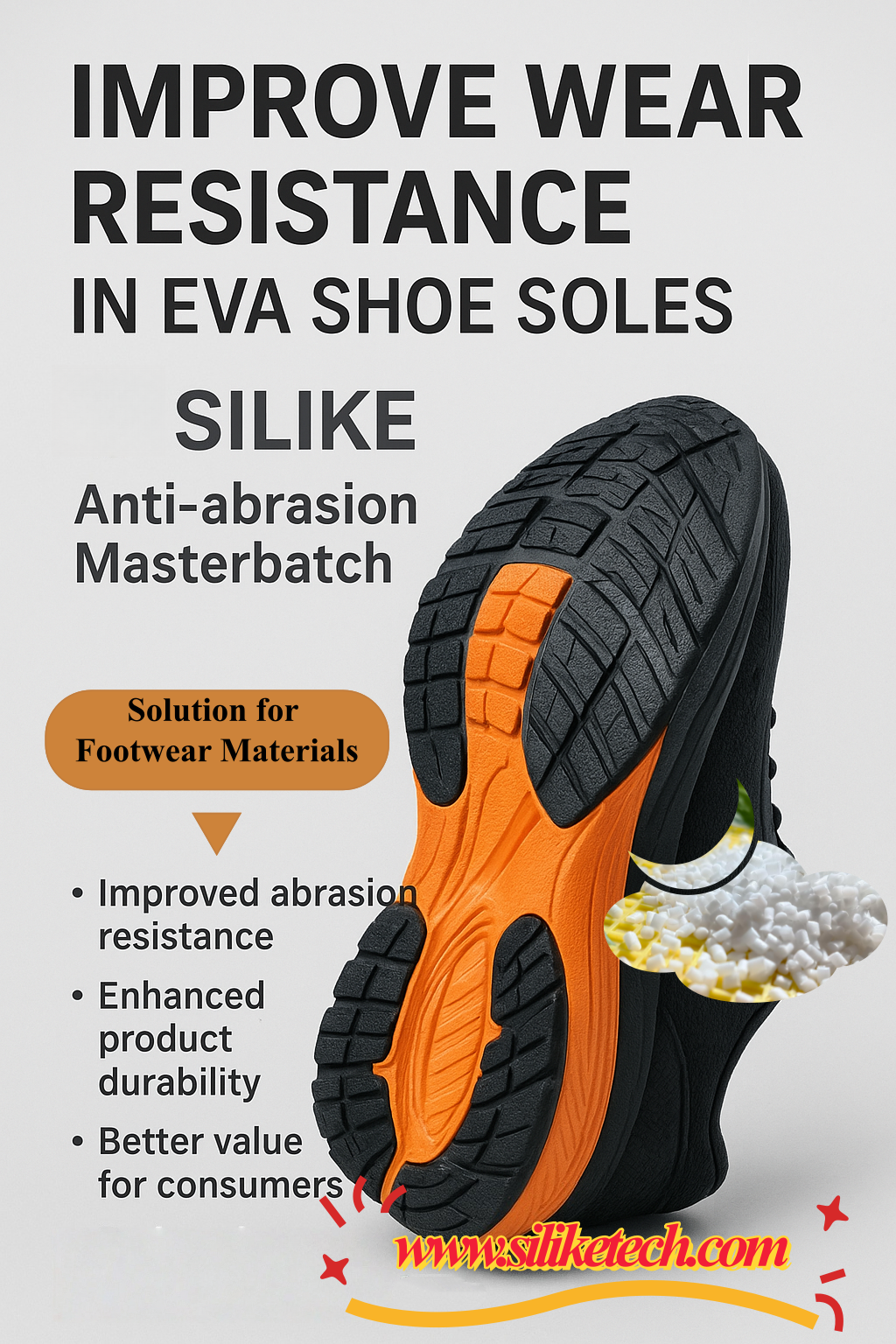
Come migliorare la resistenza all'usura delle suole in EVA per scarpe: soluzioni con additivi antiusura a base di silicone
Sfida del settore: il problema della resistenza all'usura dell'EVA L'EVA (etilene vinil acetato) è diventato la spina dorsale delle calzature moderne grazie alla sua leggerezza, al comfort, all'eccellente ammortizzazione e alla flessibilità. Dalle intersuole alle suole, l'EVA offre un'esperienza di calzata fluida. Tuttavia, per i produttori, una critica...Per saperne di più -
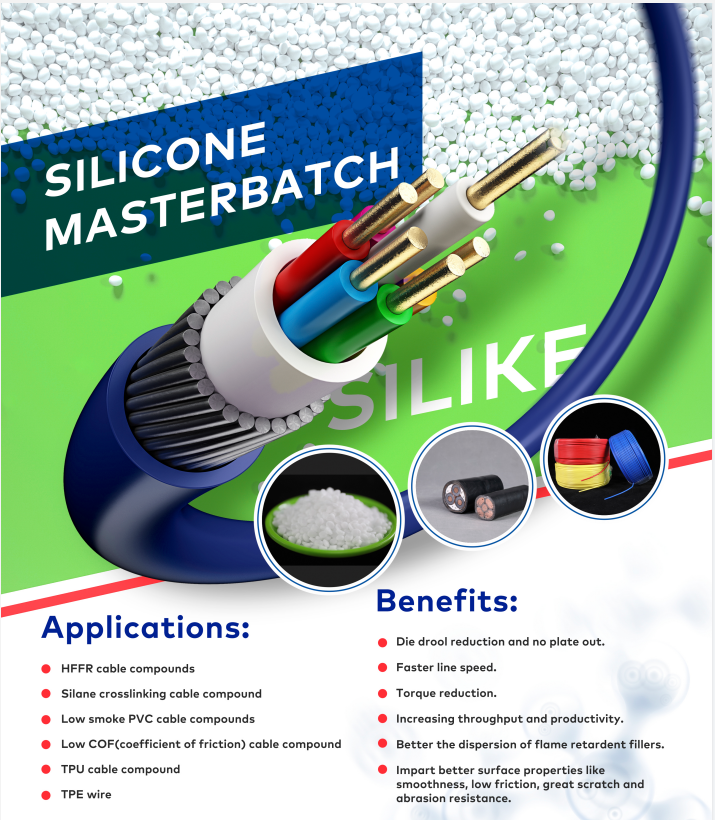
Additivi di processo efficaci per mescole di poliolefine ignifughe ATH/MDH ad alto carico in applicazioni per cavi
Introduzione: Risolvere le sfide di lavorazione dei composti poliolefinici ignifughi ATH/MDH ad alto carico Nell'industria dei cavi, i rigorosi requisiti di ignifugazione sono essenziali per garantire la sicurezza del personale e delle apparecchiature in caso di incendio. L'idrossido di alluminio (ATH) e l'idrossido di magnesio...Per saperne di più -

Tubazioni per acquacoltura e piscicoltura: affrontare le sfide legate all'usura e all'attrito.
L'acquacoltura e l'allevamento ittico moderni si basano fortemente su efficienza, uniformità e affidabilità del sistema. Uno dei componenti più critici è il sistema di alimentazione automatica, in cui le tubature trasportano il mangime dai silos di stoccaggio alle gabbie o agli stagni per i pesci. Le tubature tradizionali, come quelle in PVC, cemento o acciaio, presentano...Per saperne di più -

Accumulo di residui nella filiera di estrusione del film in PE: cause e soluzioni efficaci con additivi di processo
Nell'estrusione di film di polietilene (PE), l'accumulo di residui sulla filiera e i depositi carbonizzati sono problematiche comuni che riducono l'efficienza produttiva, compromettono la qualità della superficie del film e aumentano i tempi di inattività. Questi problemi sono particolarmente frequenti quando si utilizzano masterbatch con scarse proprietà di sformatura o insufficienti...Per saperne di più -

Soluzioni per lo stampaggio a iniezione di PA/GF: migliora la fluidità e riduci l'esposizione delle fibre di vetro con l'additivo siliconico
Introduzione: Le sfide persistenti dei materiali PA/GF I poliammidi rinforzati con fibra di vetro (PA/GF) sono un elemento fondamentale della produzione moderna grazie alla loro eccezionale resistenza meccanica, resistenza al calore e stabilità dimensionale. Dai componenti automobilistici e dall'elettronica di consumo al settore aerospaziale...Per saperne di più -

Tubi per riscaldamento a pavimento idrofobici in PE-RT e PE-X | Soluzioni anticalcare con additivi siliconici SILIKE
Introduzione: La crescente domanda di sistemi di riscaldamento efficienti Con l'evoluzione delle tendenze costruttive moderne verso l'efficienza energetica e la sostenibilità, il riscaldamento a pavimento radiante a bassa temperatura è diventato una delle soluzioni di riscaldamento in più rapida crescita. Offre una distribuzione uniforme del calore, un comfort migliorato, un'atmosfera più piacevole...Per saperne di più -

Additivi al silicone per cavi in TPU | Soluzioni per cavi EV resistenti e morbide al tatto
La rapida crescita del settore delle nuove energie, dai veicoli elettrici (EV) alle infrastrutture di ricarica e alle energie rinnovabili, ha creato esigenze prestazionali più elevate per i materiali dei cavi. Il poliuretano termoplastico (TPU) è sempre più preferito al PVC e all'XLPE grazie alla sua flessibilità, durata ed efficienza...Per saperne di più -

Come migliorare la resistenza all'usura dei tappetini per auto in TPE con additivi al silicone?
Introduzione: Perché i tappetini per auto in TPE sono popolari ma presentano delle sfide? I tappetini per auto in elastomero termoplastico (TPE) sono diventati la scelta preferita di case automobilistiche e consumatori grazie alla loro combinazione unica di flessibilità, durata e rispetto per l'ambiente. Rispetto ai tradizionali tappetini in gomma, i tappetini in TPE...Per saperne di più -

Soluzioni per la produzione di film in PE: SILIMER 5064 MB2 per proprietà antiscivolo, anti-inceppamento e maggiore efficienza.
Introduzione La produzione di film soffiato di polietilene (PE) è un processo di produzione ampiamente utilizzato per la realizzazione di film plastici impiegati in imballaggi, agricoltura ed edilizia. Il processo prevede l'estrusione del PE fuso attraverso una filiera circolare, il suo gonfiaggio in una bolla, il successivo raffreddamento e l'avvolgimento...Per saperne di più -

Coadiuvanti di processo per polimeri privi di PFAS: normative globali, sfide del settore e alternative sostenibili per l'estrusione
Le PFAS, spesso chiamate "sostanze chimiche eterne", sono oggetto di un controllo globale senza precedenti. Con il Regolamento UE sugli imballaggi e i rifiuti di imballaggio (PPWR, 2025) che vieta le PFAS negli imballaggi a contatto con gli alimenti a partire da agosto 2026, e il Piano d'azione PFAS dell'EPA statunitense (2021-2024) che inasprisce i limiti in tutti i settori, gli estrusori...Per saperne di più -

Cos'è la "pelle di squalo" nell'estrusione dei polimeri? Cause, soluzioni e coadiuvanti di processo senza PFAS.
La "pelle di squalo" (frattura da fusione) influisce sulla qualità e sull'efficienza dell'estrusione dei polimeri. Scopri le sue cause, le soluzioni tradizionali e perché gli additivi per la lavorazione dei polimeri privi di fluoro e PFAS, come SILIKE SILIMER, rappresentano l'alternativa sostenibile. Cos'è la "pelle di squalo" o frattura da fusione superficiale durante...Per saperne di più -

Miglioramento della resistenza all'usura del PA66: additivi senza PTFE e metodi di modifica industriale
La poliammide (PA66), nota anche come Nylon 66 o poliesametilendiammide, è una plastica tecnica dalle prestazioni eccellenti, sintetizzata mediante policondensazione di esametilendiammina e acido adipico. Possiede le seguenti caratteristiche chiave: Elevata resistenza e rigidità: la PA66 ha un'elevata...Per saperne di più -

Come ottimizzare il distaccante per stampi di materiali ASA: sfide del settore e soluzioni collaudate
L'acrilonitrile stirene acrilato (ASA) è ampiamente utilizzato in applicazioni esterne, componenti automobilistici, materiali da costruzione e stampa 3D grazie alla sua eccellente resistenza agli agenti atmosferici, stabilità ai raggi UV, proprietà meccaniche favorevoli ed elevata lucentezza superficiale. Tuttavia, durante il processo di stampaggio dell'ASA, in particolare...Per saperne di più -

Come migliorare il distacco dallo stampo e la lubrificazione nei composti trasparenti per policarbonato?
Il policarbonato trasparente (PC) è ampiamente utilizzato in applicazioni di fascia alta come lenti ottiche, coperture per luci, dispositivi medici ed elettronica di consumo grazie alla sua eccellente trasparenza, robustezza e resistenza al calore. Tuttavia, la lavorazione del PC trasparente presenta sfide significative, in particolare...Per saperne di più -

Come migliorare le prestazioni di laminazione e garantire una produzione stabile: una guida pratica per i produttori di rivestimenti per estrusione.
Desideri ottimizzare la tua linea di confezionamento o migliorare le prestazioni delle strutture laminate? Questa guida pratica esplora i principi essenziali, la selezione dei materiali, le fasi di lavorazione e le tecniche di risoluzione dei problemi nell'estrusione di rivestimento (nota anche come laminazione), una tecnologia ampiamente utilizzata nel settore del confezionamento...Per saperne di più -

Come migliorare la dispersione del masterbatch di fosforo rosso? Gli ausili di processo di SILIKE offrono la soluzione.
Cos'è il masterbatch di fosforo rosso? In che modo la dispersione influisce sulle prestazioni ignifughe? Il masterbatch di fosforo rosso è un ritardante di fiamma privo di alogeni, progettato per essere integrato in materie plastiche e polimeri al fine di migliorarne la resistenza al fuoco. Viene prodotto disperdendo fosforo rosso, un composto stabile, non tossico e completamente ignifugo.Per saperne di più -

Come migliorare la fluidità di fusione e la levigatezza superficiale nelle applicazioni con nylon trasparente?
Cosa rende unico il nylon trasparente? Il nylon trasparente si è affermato come una plastica tecnica ad alte prestazioni che combina in modo unico trasparenza ottica, resistenza meccanica e resistenza chimica. Queste proprietà sono ottenute attraverso una progettazione molecolare mirata, come la riduzione della cristallinità tramite...Per saperne di più -

Additivi a basso contenuto di VOC e antigraffio per materiali per interni automobilistici
Origine e impatto dei COV negli interni delle automobili I composti organici volatili (COV) presenti negli interni delle automobili derivano principalmente dai materiali stessi (come plastica, gomma, pelle, schiuma, tessuti), dagli adesivi, dalle vernici e dai rivestimenti, nonché da processi di produzione impropri. Questi...Per saperne di più -

Come risolvere le problematiche relative al distacco dallo stampo e all'efficienza del processo di lavorazione della gomma?
Perché è così difficile sformare la gomma? Le difficoltà di sformatura rappresentano una sfida frequente nell'industria della lavorazione della gomma, spesso dovute a una combinazione di fattori legati al materiale, al processo e alle attrezzature. Queste difficoltà non solo ostacolano l'efficienza produttiva, ma compromettono anche la qualità del prodotto...Per saperne di più -

Cos'è il solfuro di polifenilene (PPS)? Proprietà, problematiche e soluzioni
Cos'è il solfuro di polifenilene (PPS)? Il solfuro di polifenilene (PPS) è un polimero termoplastico semicristallino di colore giallo pallido. Ha un punto di fusione di circa 290 °C e una densità di circa 1,35 g/cm³. La sua struttura molecolare è composta da anelli benzenici e solfonici alternati...Per saperne di più -

Domande frequenti sulla produzione di TPU: soluzioni alle sfide di processo e ai problemi di qualità superficiale
1. Perché gli additivi sono essenziali nelle materie prime del TPU? Gli additivi svolgono un ruolo cruciale nel migliorare la lavorabilità, le prestazioni e la durata del poliuretano termoplastico (TPU). Senza gli additivi giusti, i TPU possono risultare troppo appiccicosi, termicamente instabili o inadatti ad applicazioni impegnative.Per saperne di più -

Come migliorare la resistenza del policarbonato (PC) ai graffi e all'usura? Soluzioni collaudate ed emergenti.
Il policarbonato (PC) è uno dei termoplastici tecnici più versatili, utilizzato nelle lenti per autoveicoli, nell'elettronica di consumo, negli occhiali e nei dispositivi di protezione. La sua elevata resistenza agli urti, la trasparenza ottica e la stabilità dimensionale lo rendono ideale per applicazioni impegnative. Tuttavia, un noto svantaggio...Per saperne di più -

Come superare le fratture da fusione e l'accumulo di materiale nello stampo durante la produzione di masterbatch e compound?
Se lavorate nel settore della produzione di materie plastiche, probabilmente avete familiarità con le continue problematiche legate alla frattura del fuso, all'accumulo di materiale nello stampo e alle inefficienze di processo. Questi problemi possono interessare le poliolefine come PE, PP e HDPE utilizzate nella produzione di masterbatch o nella compounding per prodotti come...Per saperne di più -

Materiali plastici leggeri nell'industria automobilistica: affrontare le sfide per migliorare prestazioni ed efficienza.
Nel settore automobilistico in continua evoluzione, le plastiche leggere hanno rappresentato una svolta decisiva. Offrendo un elevato rapporto resistenza-peso, flessibilità di progettazione ed economicità, le plastiche leggere sono essenziali per soddisfare le pressanti esigenze del settore in termini di efficienza dei consumi, emissioni...Per saperne di più -

Applicazioni e vantaggi della polvere di silicone: migliora le prestazioni del tuo prodotto con le soluzioni additive a base di silicone SILIKE
Sfrutta il potenziale della polvere di silicone: un additivo micronizzato ad alte prestazioni, progettato per migliorare le proprietà superficiali, ottimizzare i processi e offrire eccezionali funzionalità di scorrimento e antigraffio in molteplici settori. Dai termoplastici e rivestimenti ai prodotti per la cura della persona e alla gomma...Per saperne di più -

Come selezionare il masterbatch antibloccante per prevenire il blocco senza compromettere la trasparenza o la processabilità?
Il masterbatch antibloccaggio è un additivo fondamentale nell'industria delle materie plastiche, in particolare per i produttori che utilizzano film di polietilene (PE), polipropilene (PP) e altri polimeri. Aiuta a prevenire il fenomeno di bloccaggio, in cui gli strati lisci del film plastico si attaccano tra loro, causando difficoltà di manipolazione e...Per saperne di più -

Risoluzione dei difetti superficiali nel PBT: quali additivi migliorano la resistenza ai graffi e l'efficienza del processo?
Cos'è il PBT e perché è così ampiamente utilizzato? Il polibutilene tereftalato (PBT) è un tecnopolimero termoplastico ad alte prestazioni sintetizzato a partire da butilenglicole e acido tereftalico, con proprietà simili al polietilene tereftalato (PET). Come membro della famiglia dei poliesteri, il PBT è ampiamente utilizzato in...Per saperne di più -

Il nuovo regolamento UE sugli imballaggi e sui rifiuti di imballaggio (PPWR): revisione e soluzioni strategiche.
Che cos'è il nuovo regolamento UE sugli imballaggi e i rifiuti di imballaggio (PPWR)? Il 22 gennaio 2025, la Gazzetta ufficiale dell'UE ha pubblicato il regolamento (UE) 2025/40, destinato a sostituire l'attuale direttiva sugli imballaggi e i rifiuti di imballaggio (94/62/CE). Tale regolamento entrerà in vigore il 12 agosto 2026 e sarà...Per saperne di più -

Metodi per migliorare la finitura opaca e la durata della pellicola TPU
Come si ottiene una finitura opaca nelle pellicole in TPU? La finitura opaca delle pellicole in TPU (poliuretano termoplastico) nasce dall'innovativa fusione tra la formulazione del materiale e i processi produttivi, che trasformano la texture superficiale per ridurre la lucentezza. Questo processo consente di ottenere un aspetto diffuso e non riflettente...Per saperne di più -

Ottimizza le prestazioni delle pellicole per imballaggio | Soluzioni antiscivolo a basso coefficiente di attrito e non migranti
Le pellicole plastiche presentano spesso un'adesività intrinseca che complica la produzione, la trasformazione e le applicazioni finali. Questa proprietà naturale comporta difficoltà di lavorazione, che ne compromettono l'efficienza. Gli additivi antiscivolo si sono rivelati un componente fondamentale per affrontare queste problematiche, ottimizzando la produzione di pellicole...Per saperne di più -

Come risolvere i problemi di dispersione dei pigmenti nella produzione di masterbatch?
La dispersione del pigmento è una sfida critica, ma spesso sottovalutata, nella produzione di masterbatch. Una dispersione inadeguata può causare problemi come distribuzione non uniforme del colore, filtri intasati, rotture delle fibre filate e saldature deboli. Questi problemi non solo influiscono sulla qualità del prodotto, ma aumentano anche i costi...Per saperne di più -

Le più recenti soluzioni di dispersione di ritardanti di fiamma: migliora la sicurezza e l'efficienza con SILIKE SILIMER 6600
Avete difficoltà a ottenere una dispersione non uniforme del ritardante di fiamma nei vostri prodotti polimerici? Una distribuzione inadeguata non solo compromette la sicurezza antincendio, ma degrada anche le proprietà meccaniche e fa lievitare i costi. E se poteste risolvere questi problemi con i disperdenti giusti? In questo articolo, esploreremo...Per saperne di più -

Produzione di erba sintetica senza PFAS: alternative agli additivi di processo a base di polimeri fluorurati
Perché i produttori di erba sintetica si stanno allontanando dai PFAS? Le sostanze perfluoroalchiliche e polifluoroalchiliche (PFAS) sono sostanze chimiche sintetiche comunemente utilizzate in vari settori, tra cui quello dell'erba sintetica, per le loro proprietà idrorepellenti, antimacchia e di durata. Tuttavia, l'uso di PFAS nell'erba sintetica...Per saperne di più -

Soluzioni per materiali in nylon resistenti all'usura: dagli approcci tradizionali alle scoperte innovative.
Approfondimenti del settore sul miglioramento delle prestazioni del nylon in applicazioni soggette ad elevata usura Nel panorama in continua evoluzione delle materie plastiche ingegneristiche, i materiali in nylon resistenti all'usura continuano a svolgere un ruolo cruciale in molteplici settori. Dai componenti automobilistici ai macchinari industriali, la domanda di materiali durevoli...Per saperne di più -

Resistenza duratura ai graffi nei composti di PP caricati con talco per applicazioni automobilistiche | Soluzioni di additivi polimerici
I composti di talco di polipropilene (PP) sono un elemento fondamentale nella produzione di interni automobilistici, apprezzati per il loro equilibrio ottimale tra prestazioni meccaniche, lavorabilità ed economicità. Sono ampiamente utilizzati in cruscotti, pannelli delle portiere, console centrali e rivestimenti dei montanti. Tuttavia, persiste un problema...Per saperne di più -

Sfide nell'estrusione di film di poliolefine: soluzioni efficaci e sostenibili per una lavorazione senza intoppi
Introduzione alle poliolefine e all'estrusione di film Le poliolefine, una classe di materiali macromolecolari sintetizzati a partire da monomeri olefinici come etilene e propilene, sono le materie plastiche più prodotte e utilizzate a livello globale. La loro diffusione deriva da una combinazione eccezionale di proprietà, tra cui...Per saperne di più






